
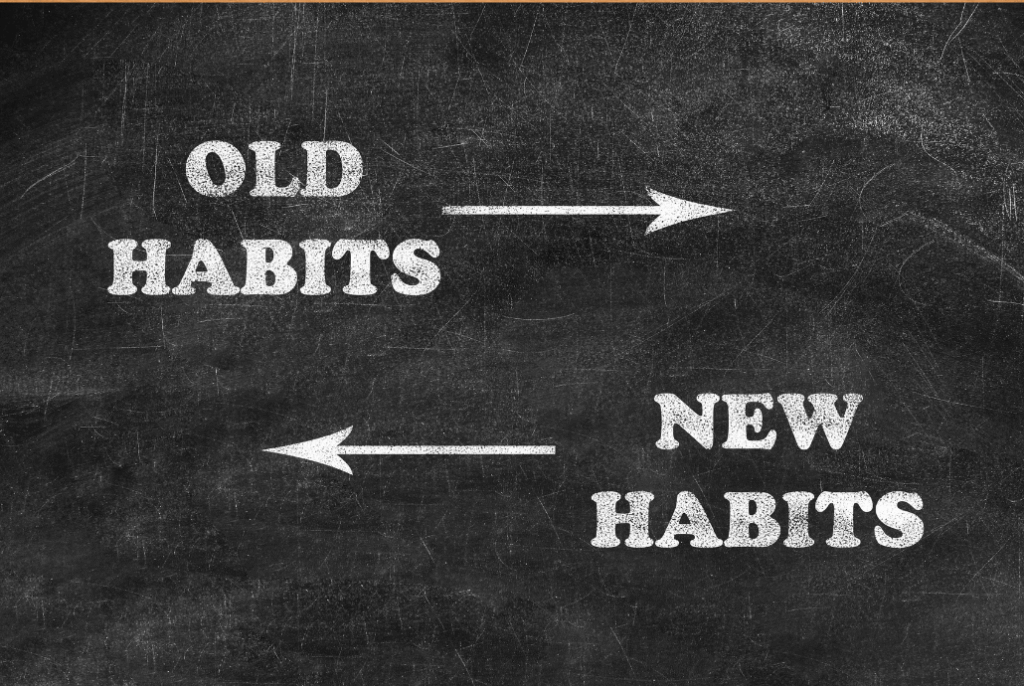
Most of us experience a lot of frustration while working at breaking old habits and establishing new habits. Because it requires mental energy to identify old habits and work to replace them with new ones. It might feel a bit unnatural to start eating differently. Trusting the process can also be a challenge when the weight doesn’t come off as quickly as we think it should. Change is never easy. However, the reward is very gratifying when we experience all the benefits of a healthier body.
Identify Unhealthy Habits then Provide Healthy Alternatives
Unhealthy habits often form innocently, but they can have a powerful grip on us. So, we need to create an alternative plan to help replace these habits.
Consider the situations, emotions, and triggers that fuel your unhealthy choices and develop strategies to counter them.
For instance,
Instead of stopping at McDonald’s for a specialty coffee,
- Invest in a special type of coffee to enjoy at home instead.
- Prepare your coffee in advance.
- Savor your coffee during your commute and avoid temptation.
- Additionally, find an alternate route to work to further distance yourself from the fast-food temptation.
Create New Habits
Breaking old habits and forming new ones is key to developing a healthier eating lifestyle. If we don’t replace old habits, we find it challenging to resist them.
- Early in the day, decide on alternative activities to help break the pattern, such as taking a walk, calling a friend, or engaging in a hobby.
- Make a list of enjoyable activities and plan how you will incorporate them into your day.
- Don’t wait until the last minute to combat the urges; instill a proactive mindset.
Eating in Social Settings
Sometimes, others may feel judged based on our choices to not indulge, even if we haven’t said a word.
- Remember: their feelings are their issue, not yours.
- Individuals who don’t respect your healthy boundaries are more concerned about themselves than about you.
- Be gracious when declining unhealthy treats.
- Frame your refusal in terms of health rather than weight loss, as this is harder for others to challenge.
Dealing with the Fear of Healthy Fat
Our society harbors a deep-seated fear of fat, a misconception that most find hard to shake. Years of misinformation have convinced us that eating fat causes us to gain weight.
- Consuming the right types of fat is crucial for health and weight loss.
- Essential healthy fats teach our bodies to burn fat efficiently.
- Our healthy fats serve as excellent hunger busters.
- Healthy fats signal to our brains that we are satisfied while making food taste delicious.
- Healthy fats also help stabilize blood sugar levels, which is essential for weight loss.
Depression and Weight Loss
- Depression can slow weight loss.
- It often creates a vicious cycle with weight gain.
- Depression increases cortisol levels and leads to greater inflammation throughout the body and brain and impairs glucose tolerance.
- This pattern can result in the accumulation of visceral fat, which is fat that surrounds our organs.
- During depressive episodes, resistin, a hormone that increases insulin resistance, also rises. This links depression to Type 2 diabetes.
Accept that the Journey of Weight Loss Includes Stalls
Stalls are a very normal, common, and highly-frustrating part of the weight loss journey. Stalls are not a true plateau; rather, a time when your body pauses fat burning to adjust to recent changes.
During this phase:
- Focus on positives such as increased energy, improved sleep, and better-fitting clothes.
- Celebrate other health improvements rather than becoming discouraged.
- Remember, weight loss will resume if you stay committed.
Avoid Comparing Yourself to Others
People stumble by comparing their weight loss progress to that of others. This thinking often comes from a lack of understanding of individual differences—such as medical conditions, medications, past weight fluctuations, metabolic dysfunction, age, and more. Permitting ourselves to do our best means giving our bodies the time they need to heal and recover from years of damage and inflammation. Stay focused on your own journey; weight loss is a marathon, not a sprint.
Action is Required to Break Old Habits and Establish New Ones
Breaking old habits and making room for new ones will take some work. As you reflect on your daily activities, take note of which habits you need to replace. Then be proactive in changing those patterns and implementing practical alternatives to replace them. Grant yourself permission to do your best without the need for perfection. Keep in mind that this permission does not include making excuses; find that fine line between the two. Over time you will find your new habits will help to bring you closer to your desired health goals.